QHY5III678M/C Astronomy Camera
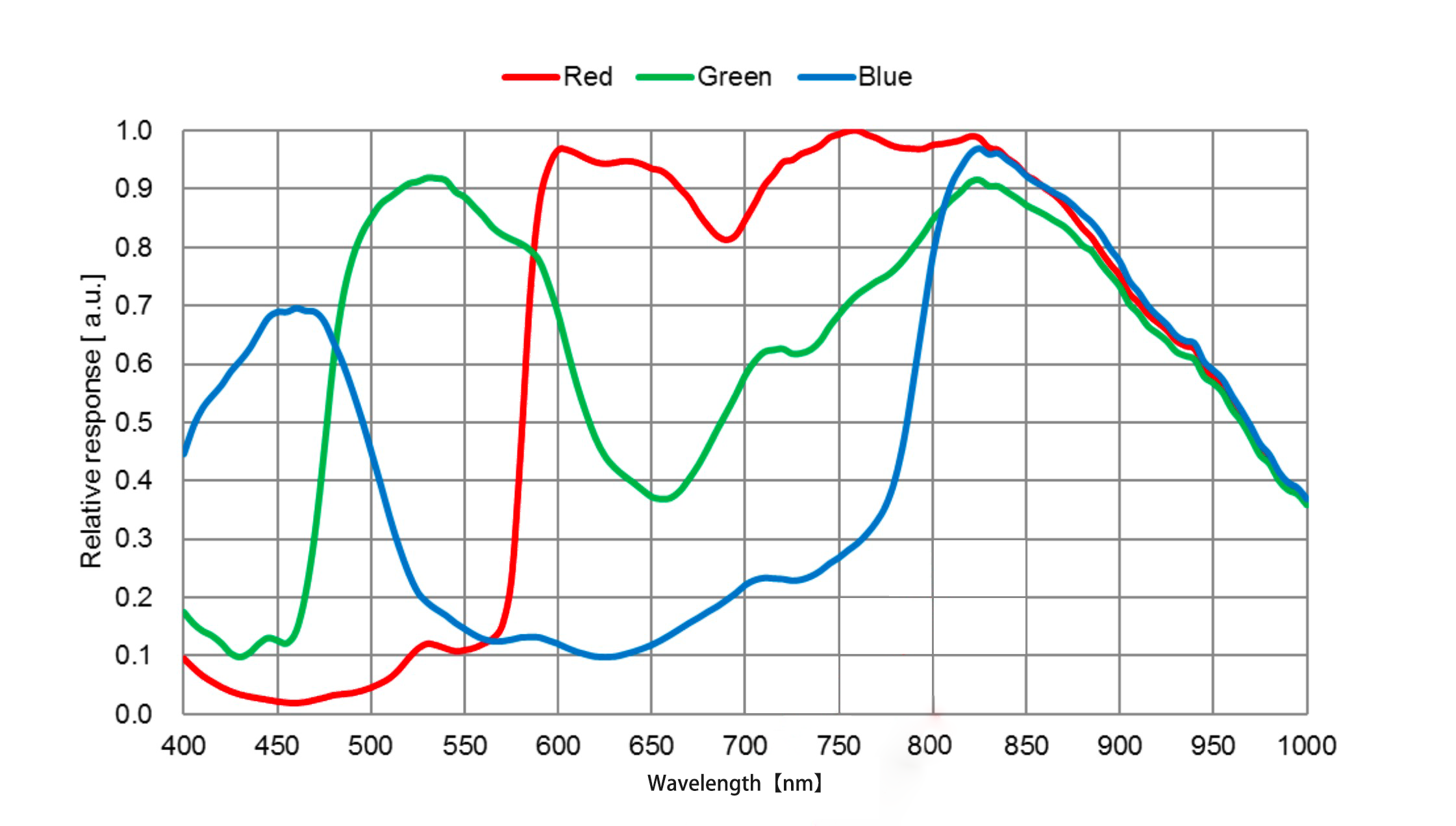
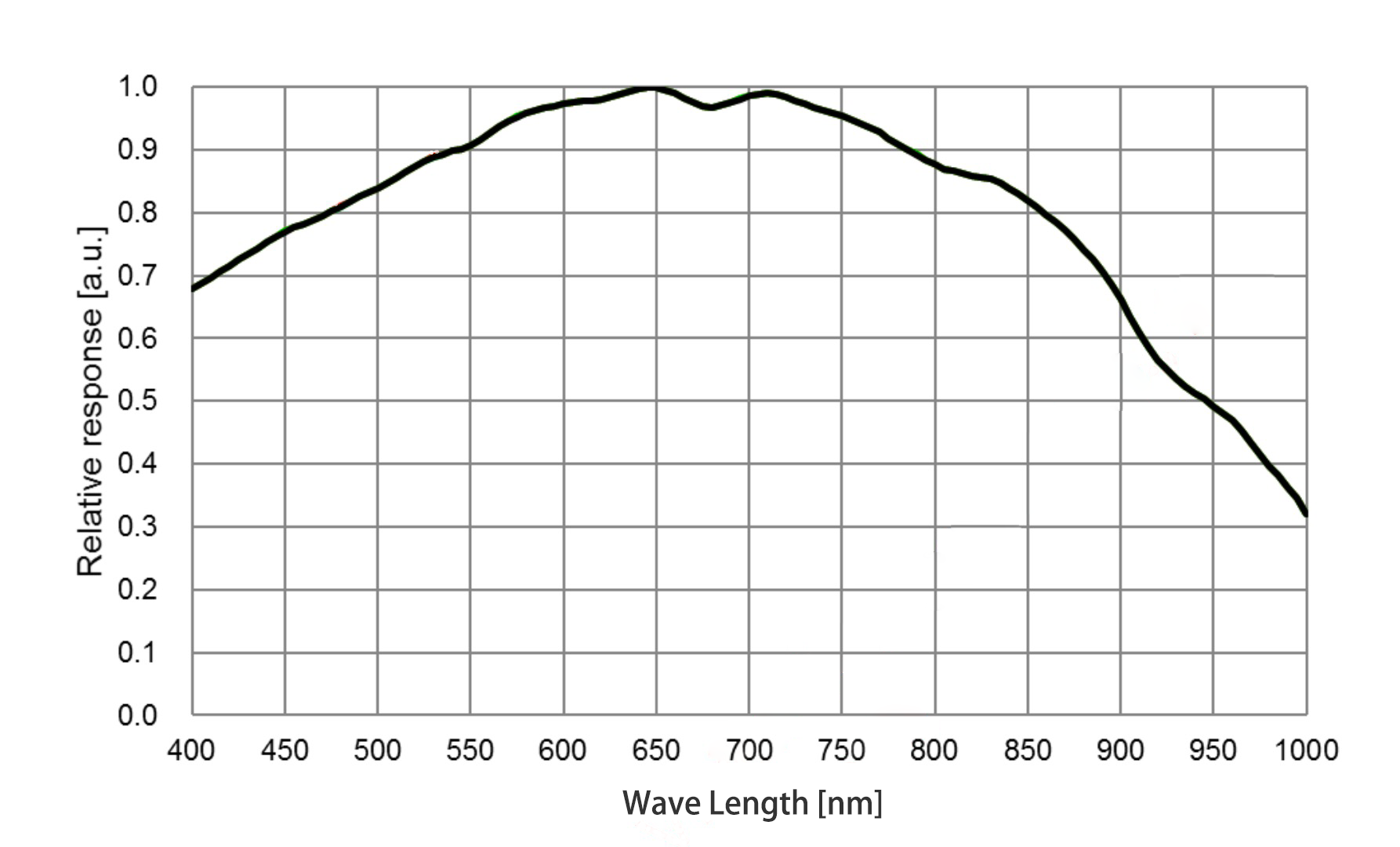
In this latest generation of sensors, the photodiode portion of the pixel well is physically deeper than in previous sensors, allowing photons of longer wavelengths to penetrate deeper into the substrate. This dramatically increases the sensor’s sensitivity to red and near-infrared (NIR) light. The sensor displays almost equal peak sensitivity to NIR light as it does to light in the visible spectrum.
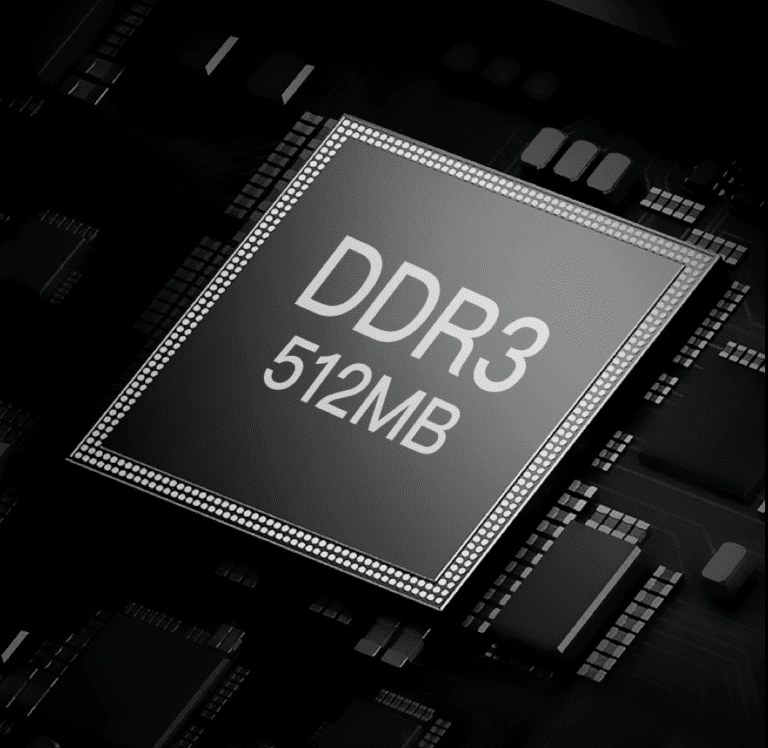
The QHY5III (Ver. 2) series planetary and guiding cameras are all equipped with a 512MB DDR3 image buffer which can effectively reduce the pressure on computer transmission, a great help for planetary photography which often requires writing a large amount of data in a short period of time. Some deep-sky astrophotography cameras on the market today only have 256MB, for example.
In comparison, the 512MB DDR3 memory of the new 5III (Ver. 2) series cameras represents a significant upgrade.
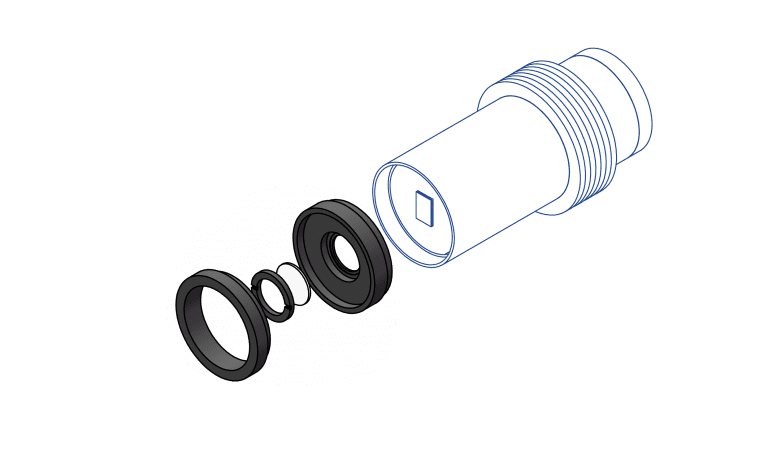
QHY5III (Ver. 2) series cameras have adopted a new front-end design with better compatibility.Here we only take QHY5III200M as example, however, ALL V2 cams in the future share these features.
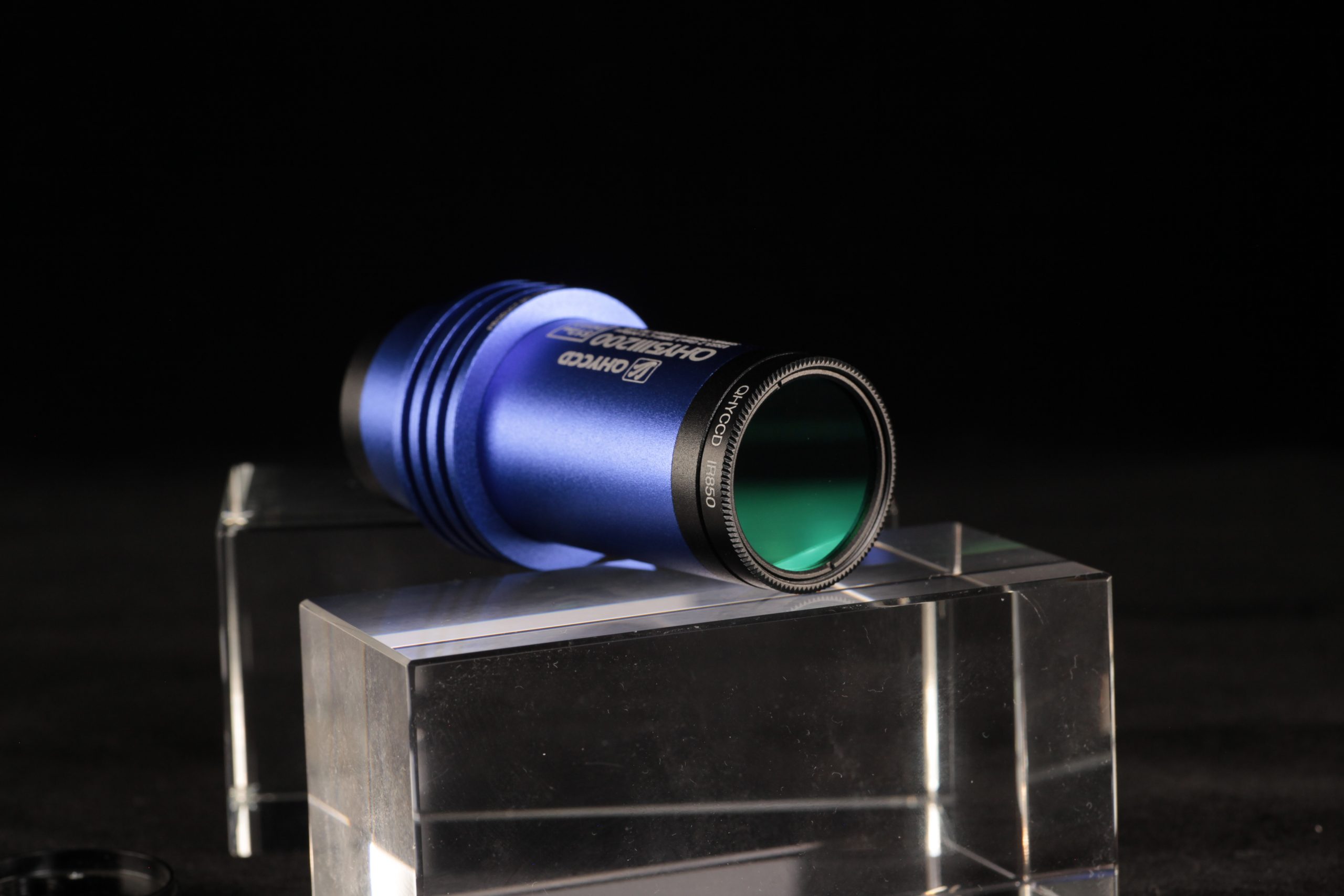
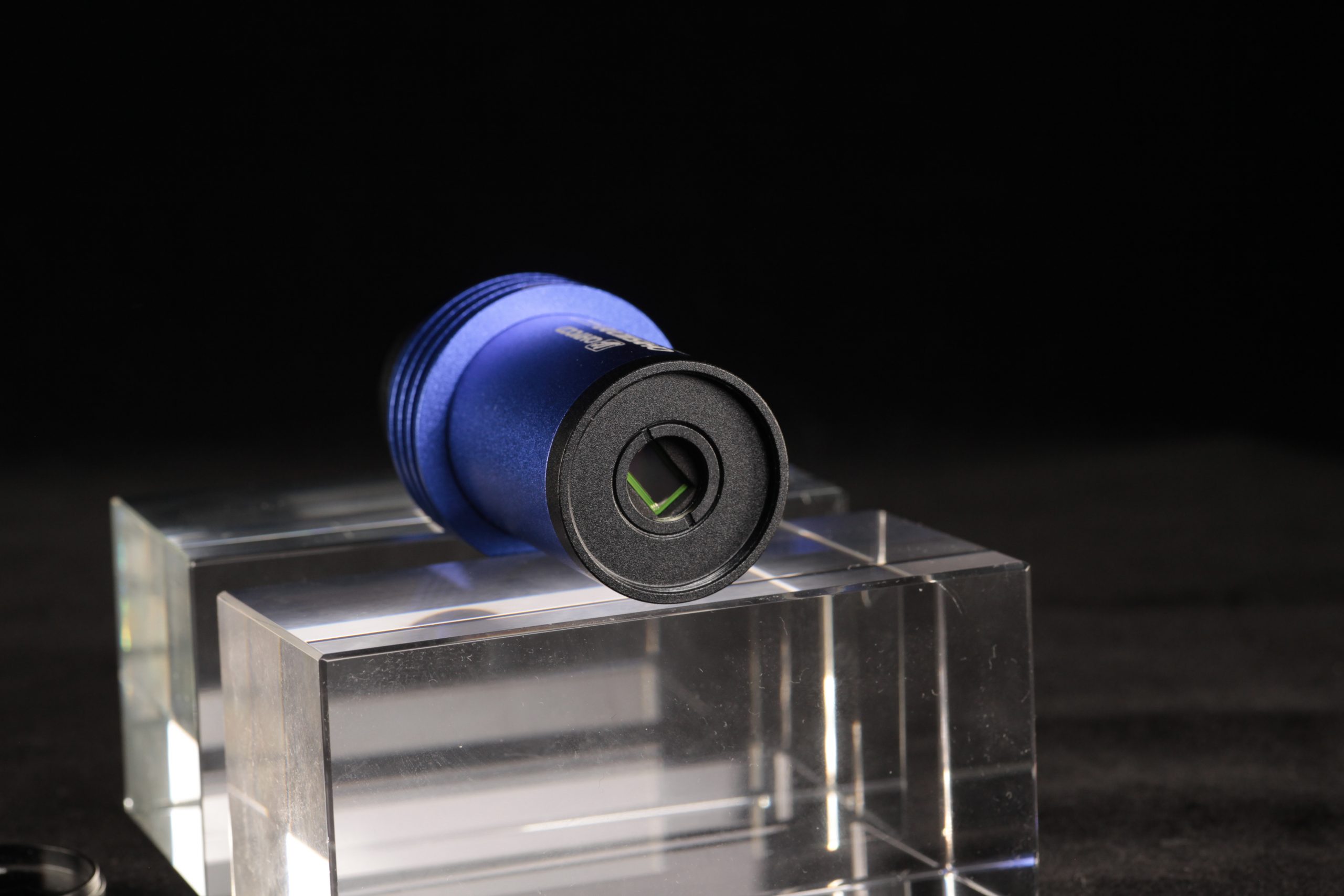
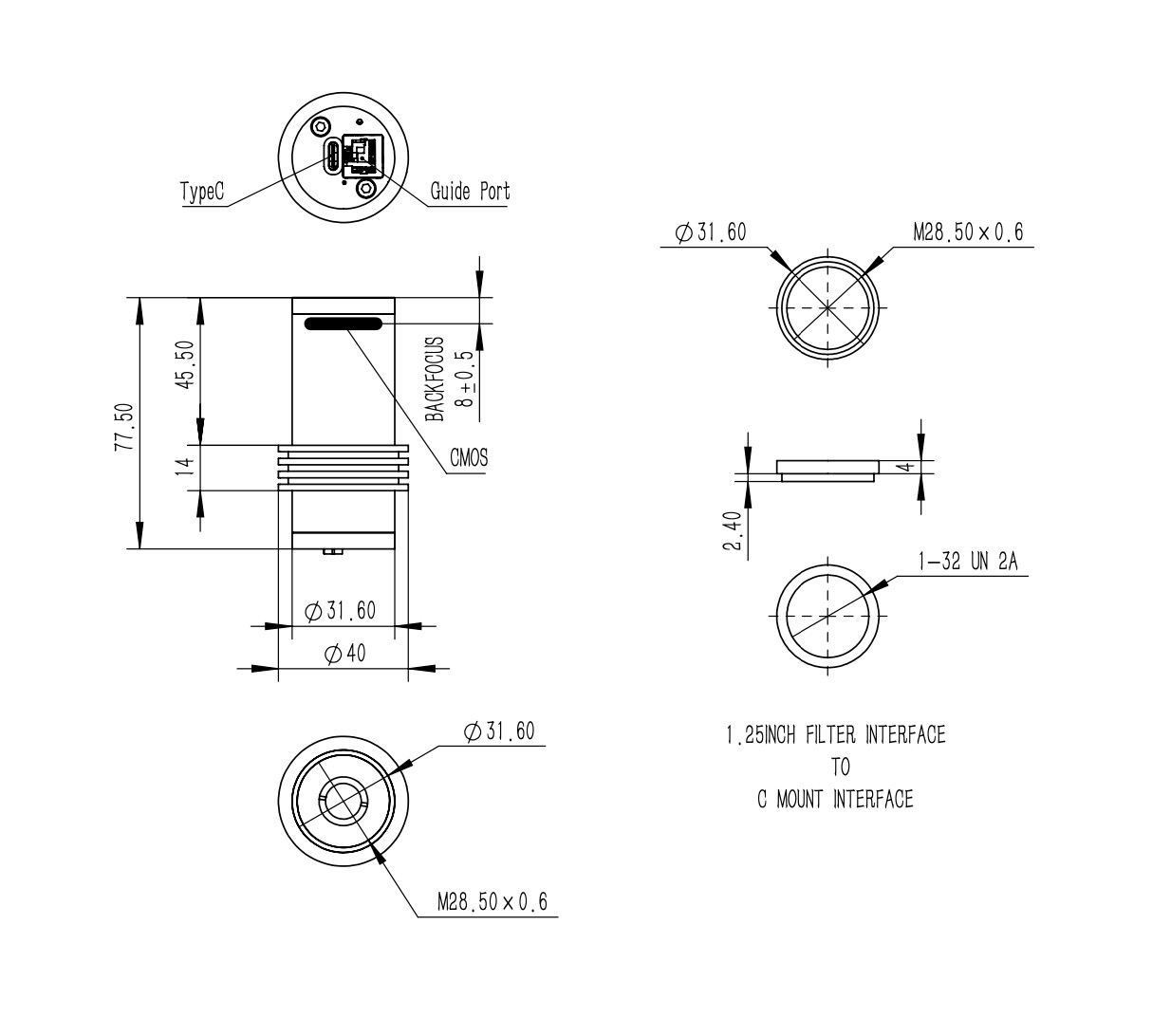
The BFL of V2 cam is only 8mm, which means you can easily compat a V2 cam with your OAG. The basic top adapter includes 1.25 inch threads and you can still use your 1.25 inch filter.
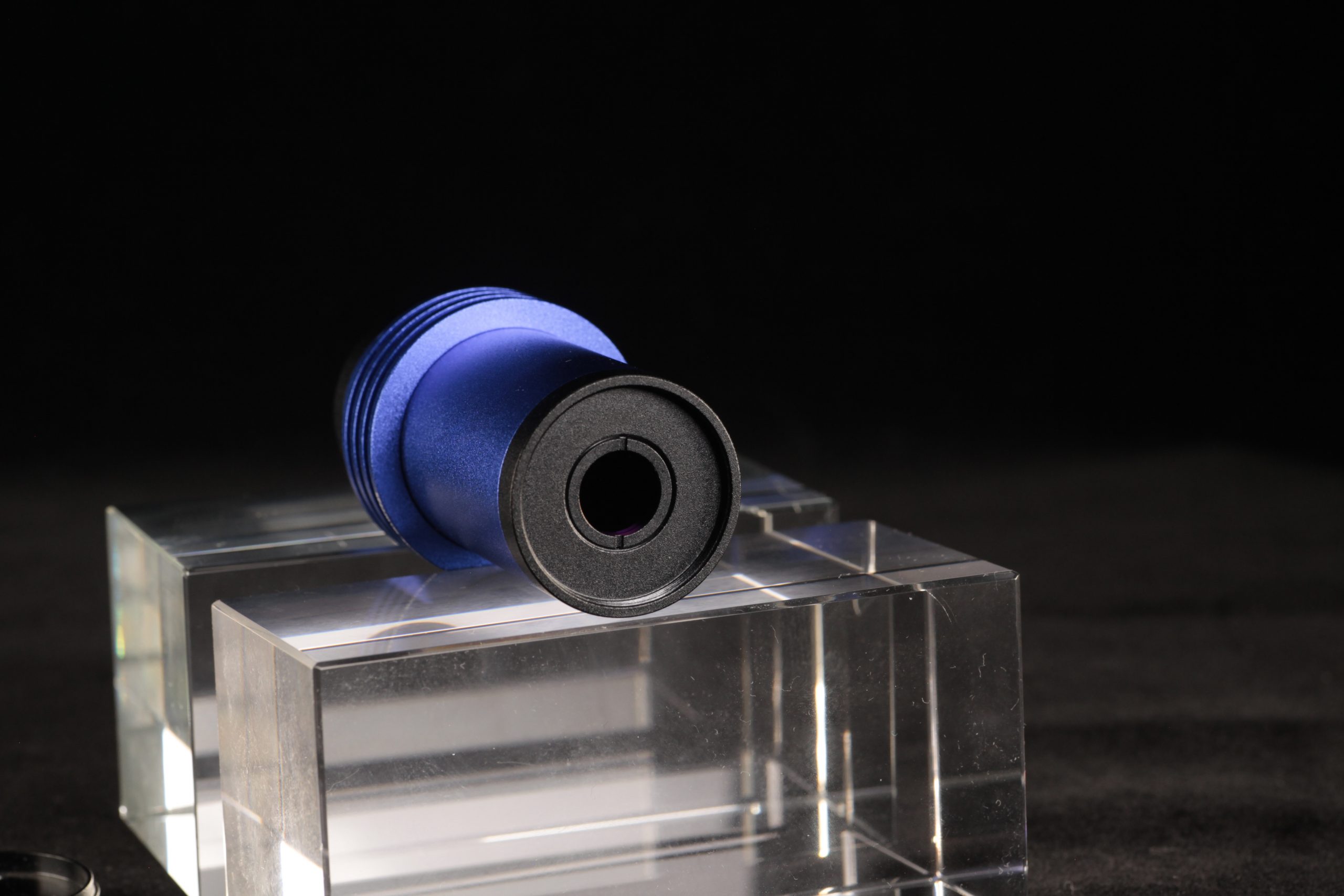
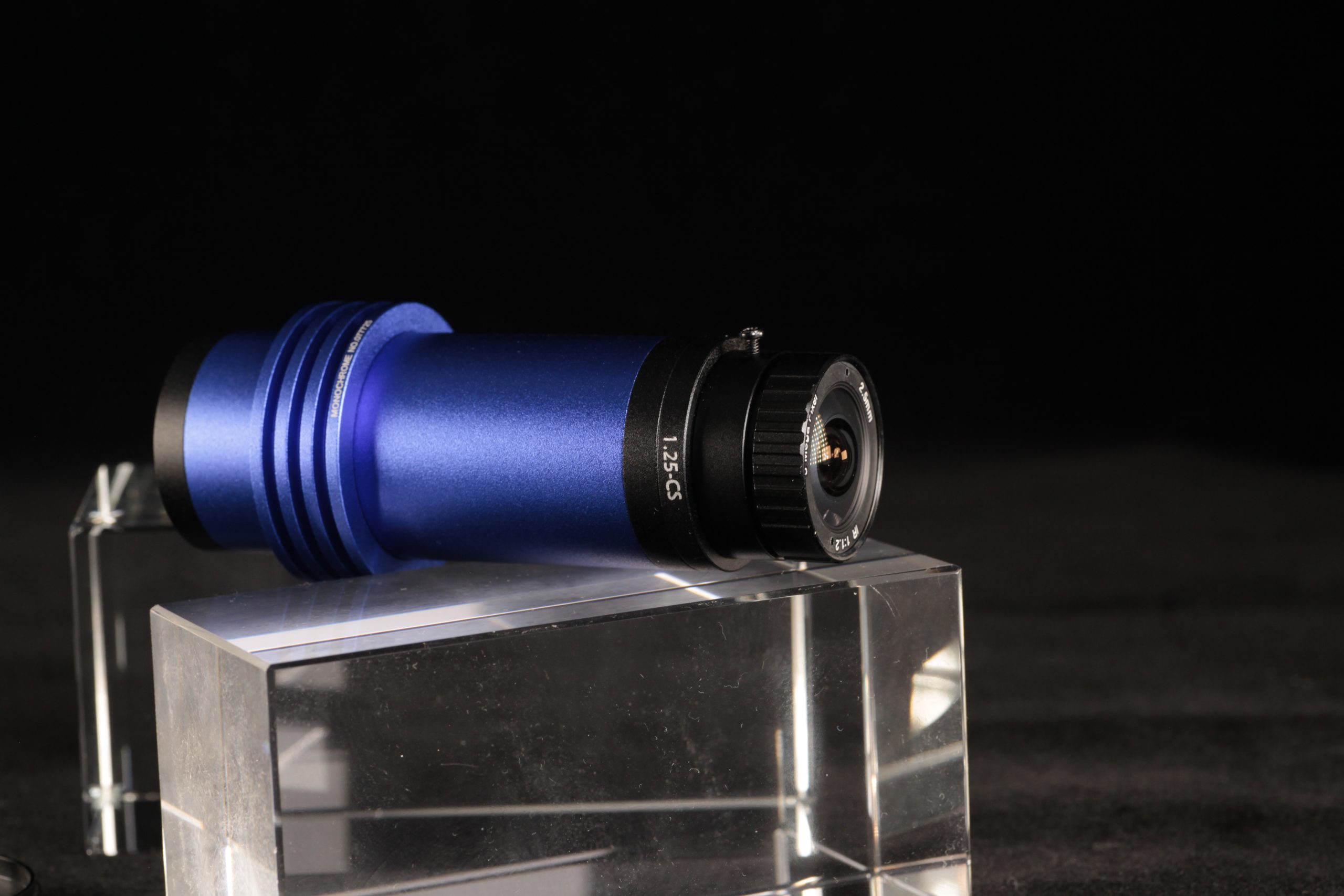
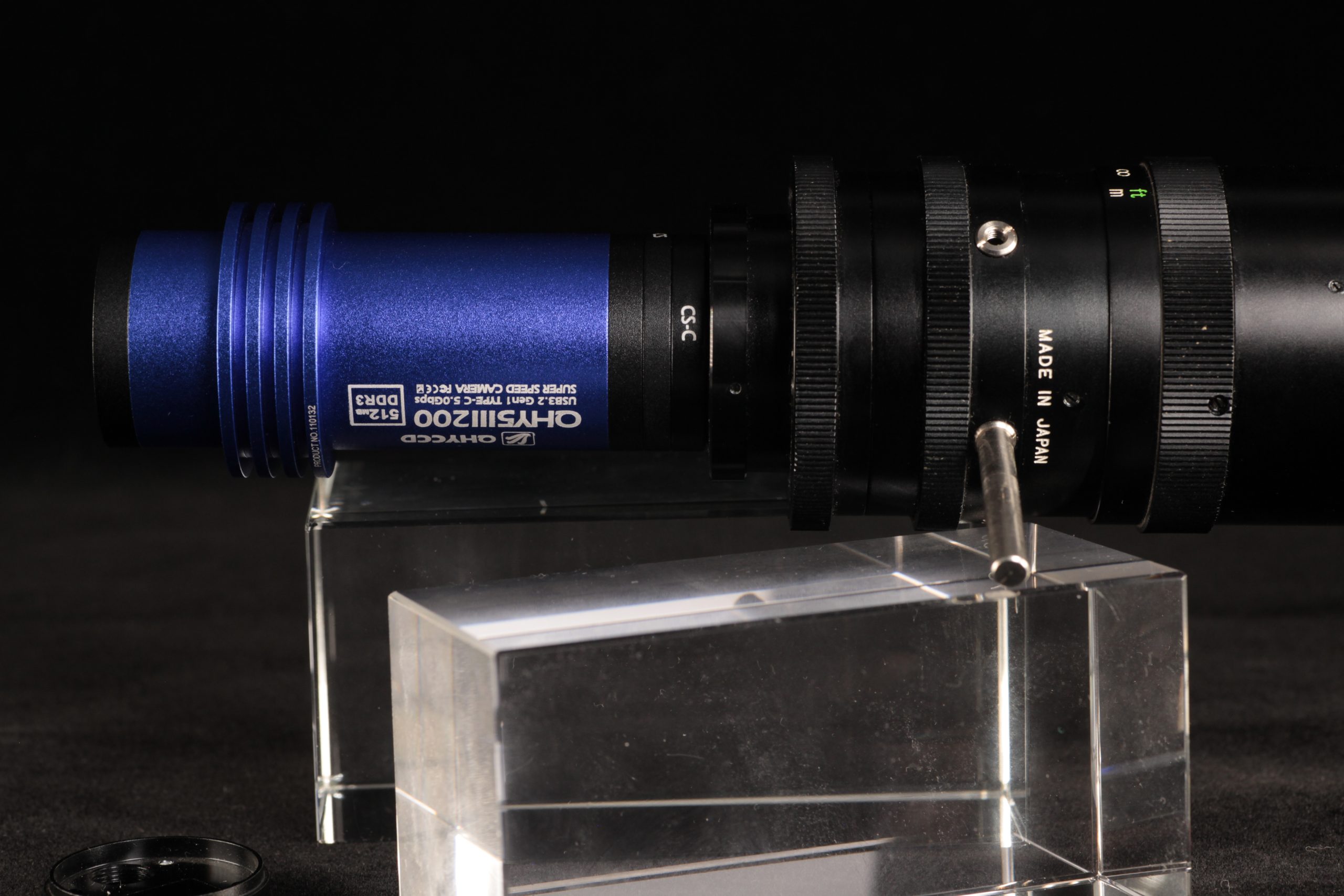
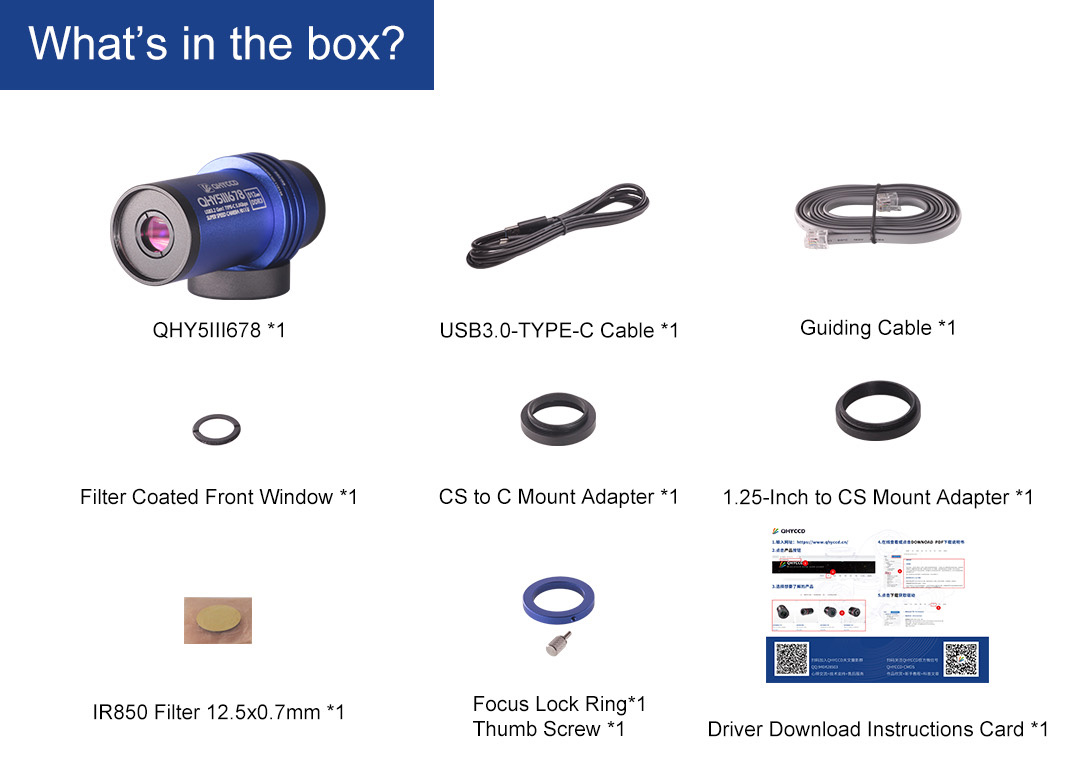
The top adapter glass of V2 can be easily swiched. One of the adavantage of changable top glasses is you can use one filter even you’re using Lens! You can add a 1.25inch-cs adapter to connect CS lens, or add a second CS-C lens for C-mount lens. The two adapters are all standard accessories of V2 cams.
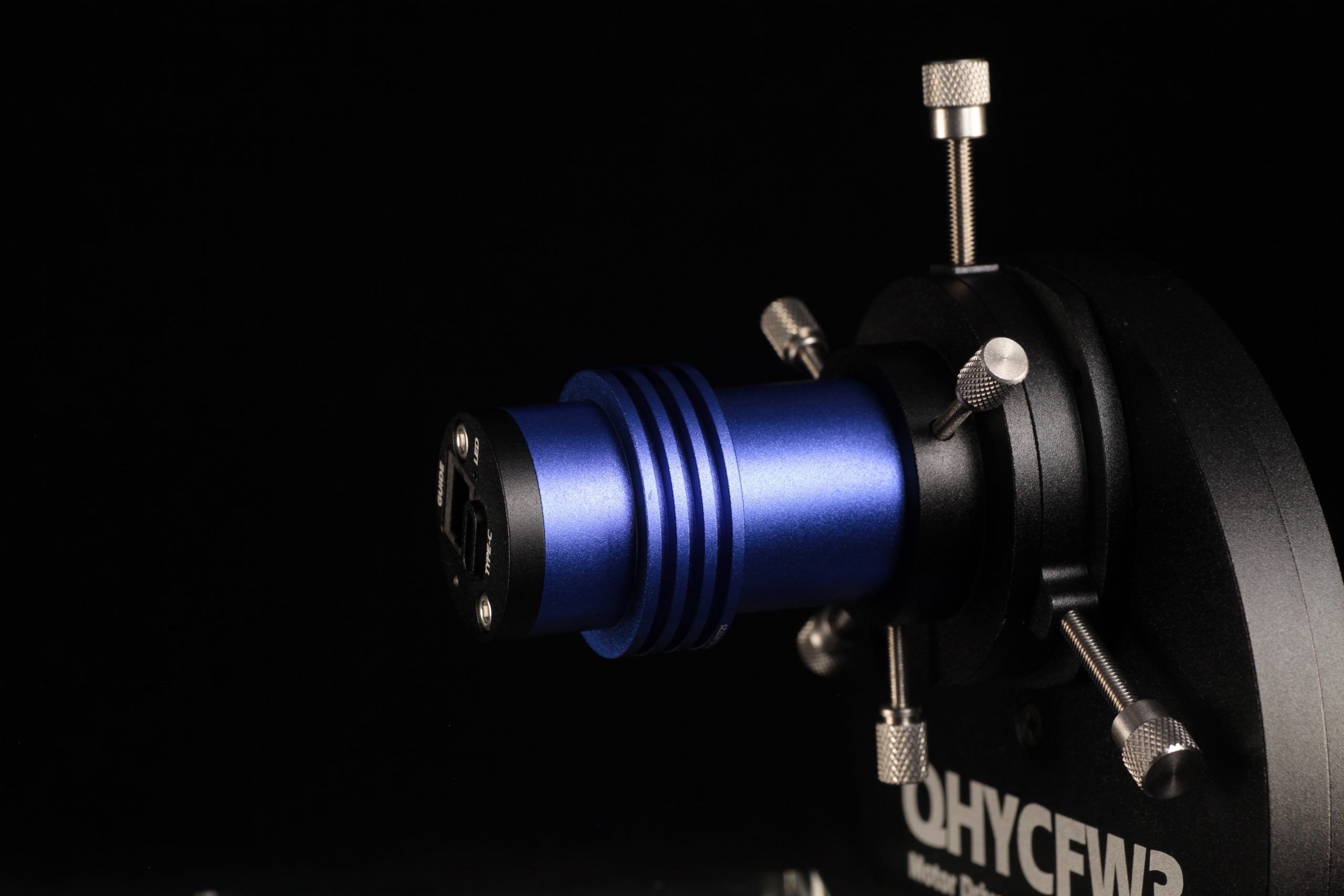
By the way, there’s a 1.25-inch filter wheel adapter to connect your mono planetary cam with the QHYCFW3-S filter wheel.
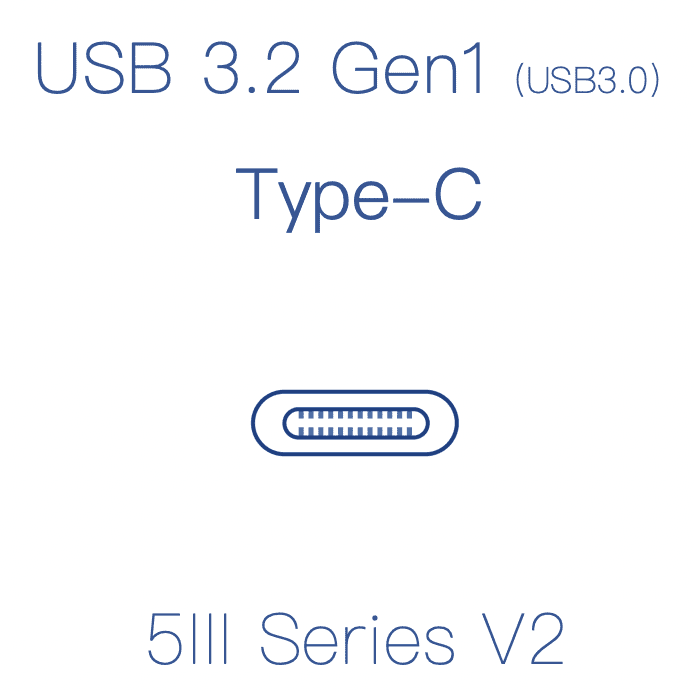 The new QHY5III (Ver.2) series cameras all use the USB3.2 Gen1 Type-C interface. Compared to the USB3.0 Type-B interface used in the previous generation, the Type-C interface has a longer life and is more flexible.
Tips: It is recommended to use the official standard Type-C data cable of QHYCCD. As the market is flooded with a large number of poor-quality Type-C cables, casual use may lead to the camera malfunctioning. If you use your own spare cable, please make sure it is a high-quality cable.
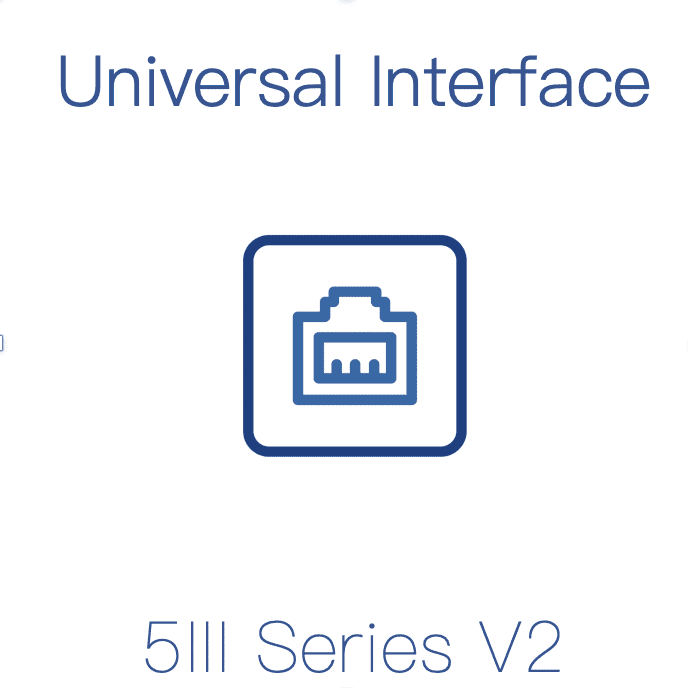
The custom interfaces of the previous generation of planetary cameras and guiders has been replaced in the QHY5III (Ver.2) cameras with a more universal ST-4 compatible guiding interface. Now, even if the guiding cable is lost or damaged, you will be able to easily get a replacement on the market at a low cost.
 The new QHY5III (Ver.2) series of cameras is equipped with a status indicator at the back of the camera. If the camera experiences an abnormal status, the multi-colored indicator light will help to determine the situation with different colors signifying different conditions. During normal operation this indicator light is off, so there is no worry about light contaminating the image.
| Model | QHY5III678M/C |
| Image Sensor | Sony IMX678 |
| Mono/Color | Both Available |
| FSI/BSI | BSI |
| Sensor Size | 1/1.8inch |
| Pixel Size | 2.0μm*2.0μm |
| Effective Pixel Area | 3856*2180 |
| Effective Pixels | 8.4 Megapixels |
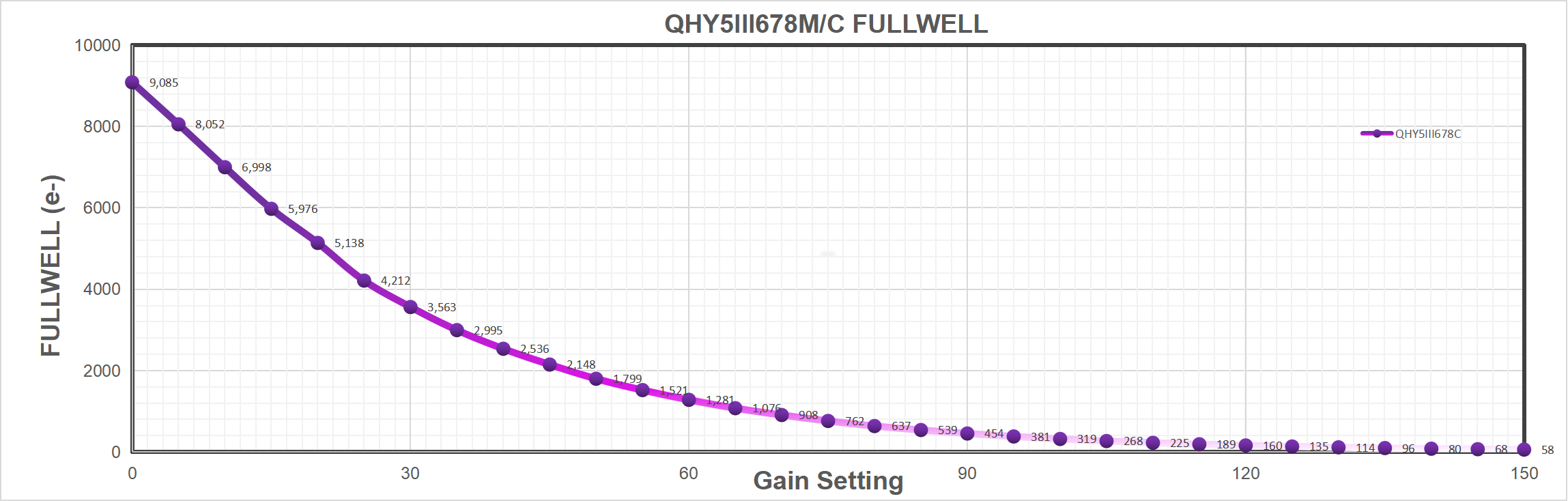
| Full Well Capacity | 9ke- |
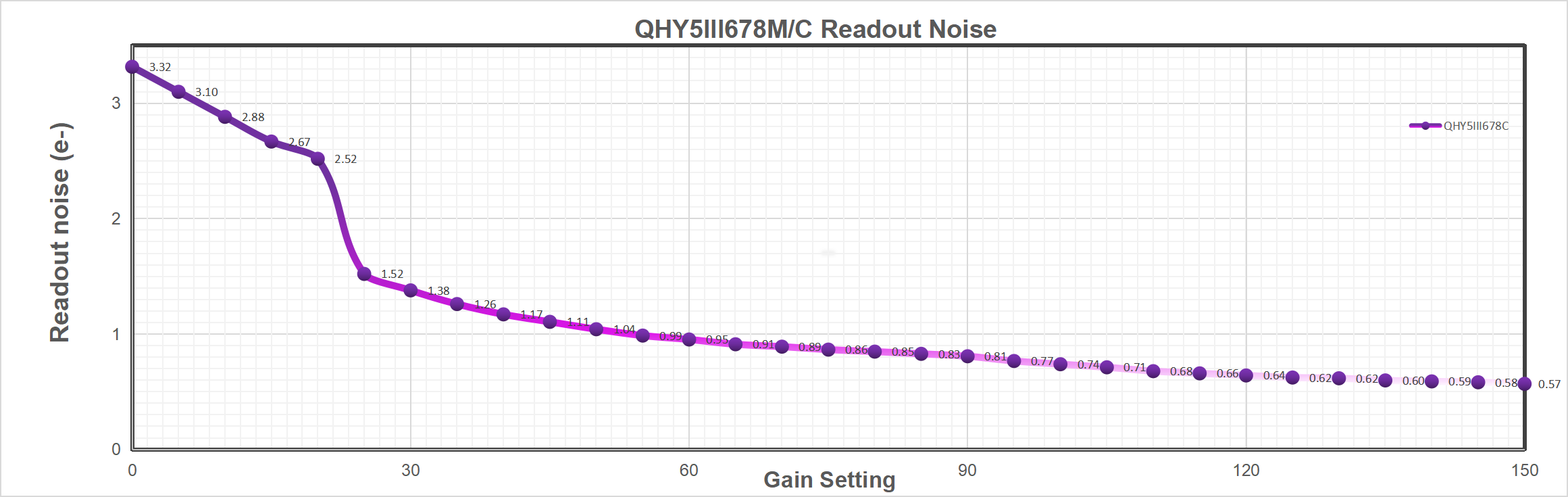
| Read Noise | 0.57e- to 3.3e- |
| A/D | 12-bit (output as 16-bit and 8-bit) |
| Built-in Image Buffer | 512MB DDR3 Memory |
| Full Frame Rates | 43FPS@8bit, 22FPS@16bit |
| ROI Frame Rates | 1080Lines, 85FPS@8bit, 43.5FPS@16bit 640Lines, 140FPS@8bit, 71FPS@16bit |
| Exposure Time Range | 11μs-900sec |
| Shutter Type | Electronic Rolling Shutter |
| Computer Interface | USB3.0 Type-C |
| Guide Port | Standard ST-4 Style |
| Telescope Interface | 1.25-inch, with CS and C-Mount |
| Optical Window | AR Anti-reflection Glass (5III678M) IR-Cut filter (5III678C) |
| Extra Filter | IR850nm Filter Included |
| Back Focal Length | 17mm (with adapter); 8mm(without adapter) |
| Weight | 90g |
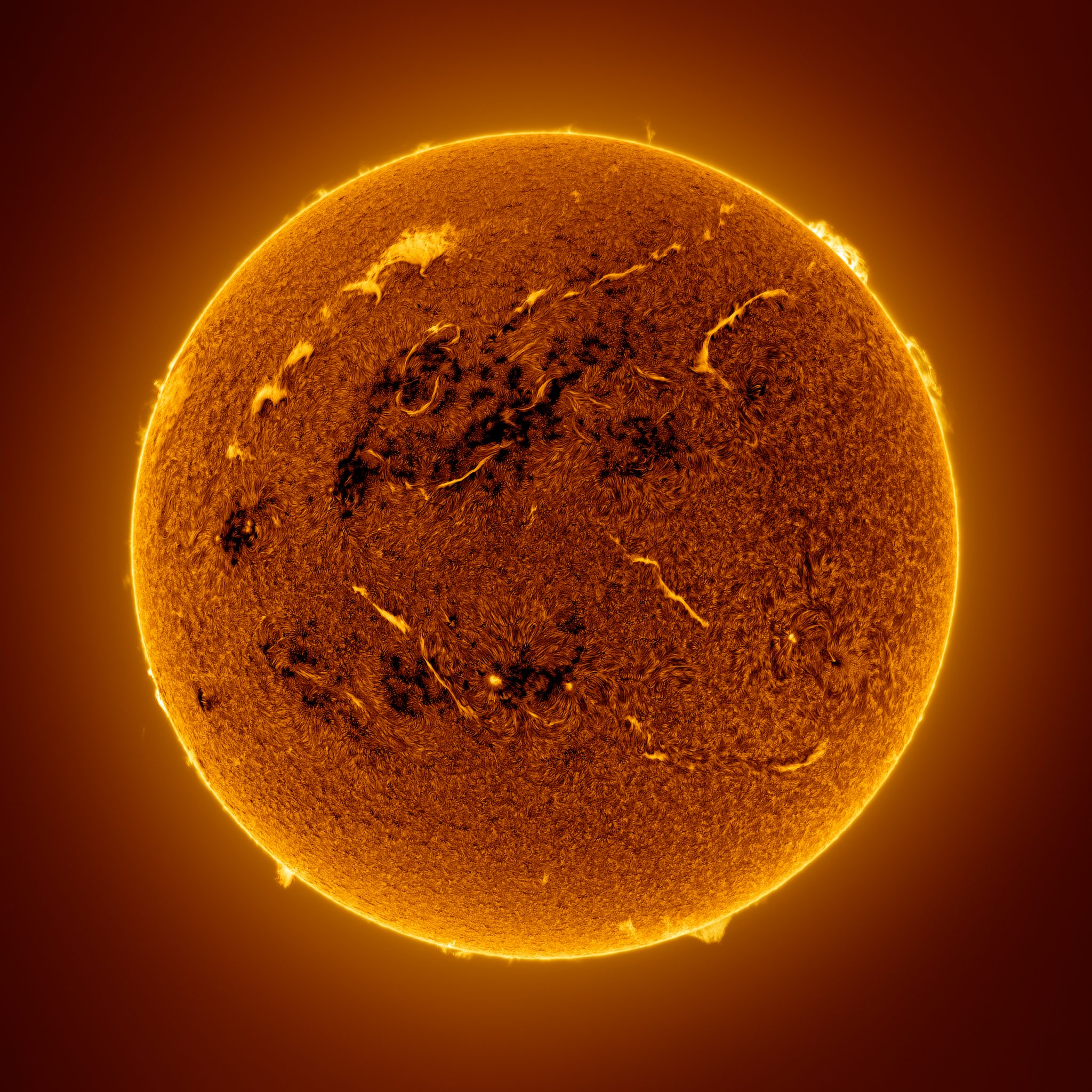 A Whale Sailing the Sun
Astrophotographer: Eduardo Schaberger Poupeau
Equipment: QHY5III678M, 60 mm Coronado SolarMax III double-stack
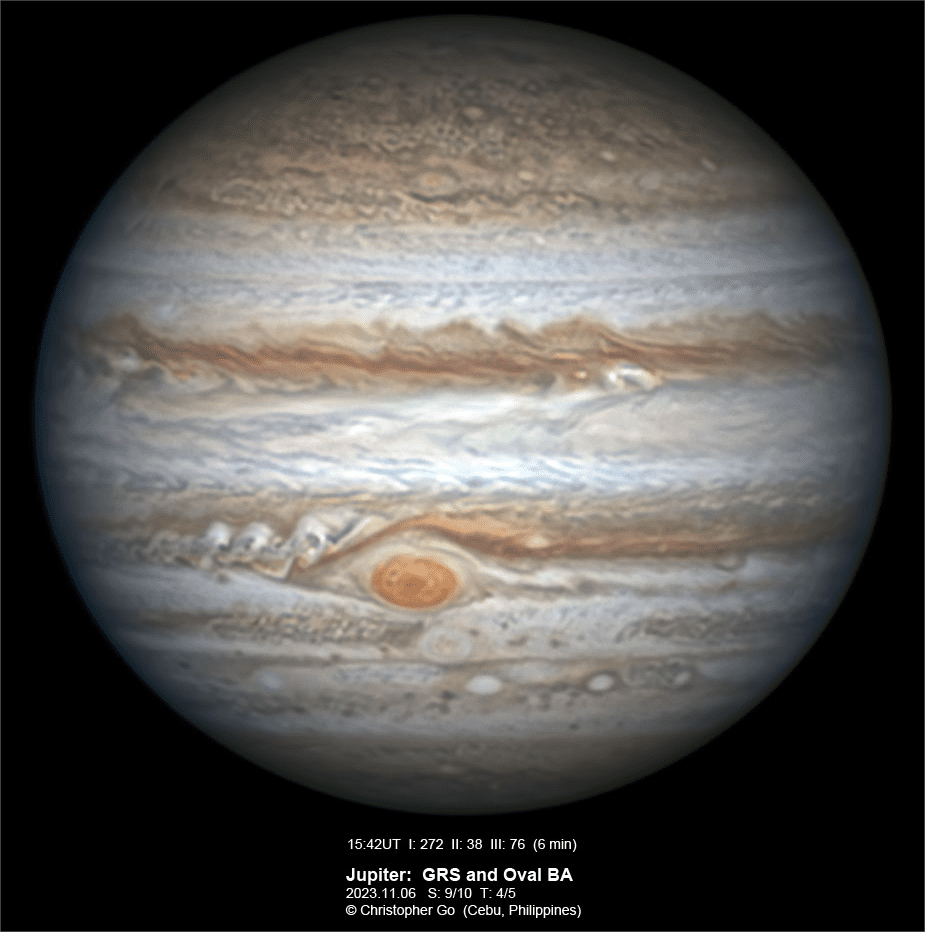
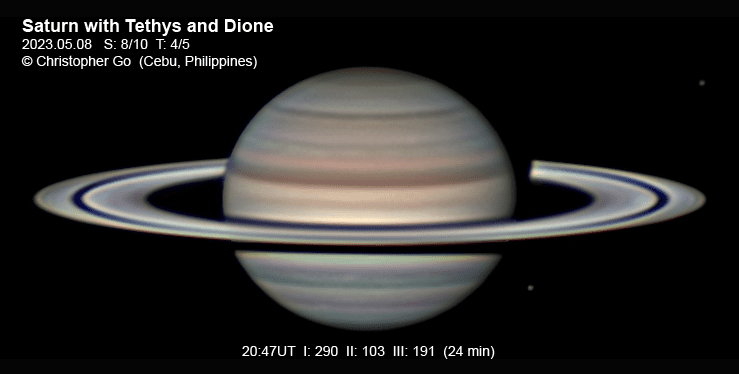
Jupiter and Saturn
Astrophotographer: Christopher Go
Equipment: QHY5III678M camera
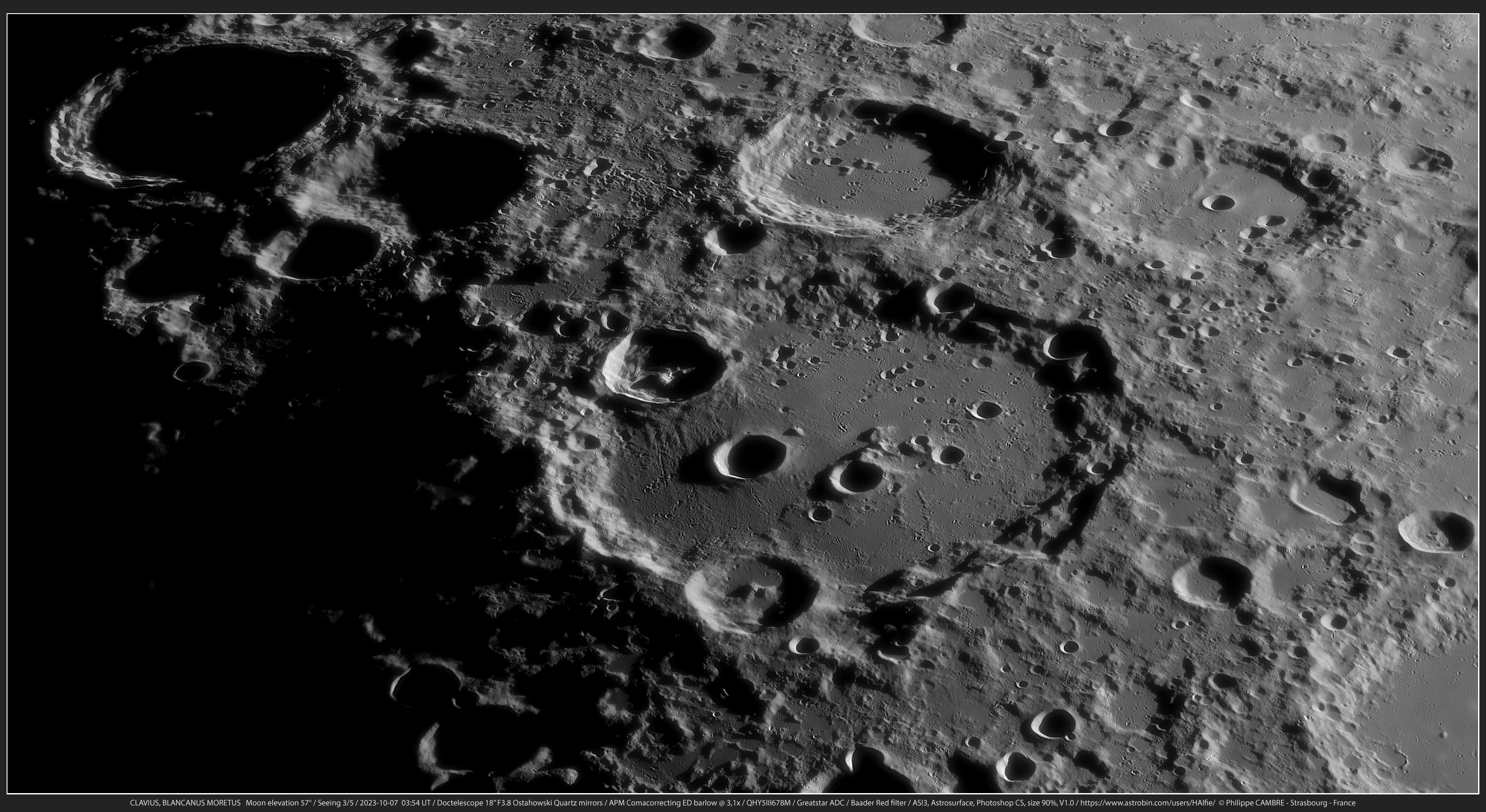 CLAVIUS, BLANCANUS MORETUS
Astrophotographer: Philippe Cambre
Equipment: QHY5III678M camera
Original: $39,999.00
-70%$39,999.00
$11,999.70Description
In this latest generation of sensors, the photodiode portion of the pixel well is physically deeper than in previous sensors, allowing photons of longer wavelengths to penetrate deeper into the substrate. This dramatically increases the sensor’s sensitivity to red and near-infrared (NIR) light. The sensor displays almost equal peak sensitivity to NIR light as it does to light in the visible spectrum.
The QHY5III (Ver. 2) series planetary and guiding cameras are all equipped with a 512MB DDR3 image buffer which can effectively reduce the pressure on computer transmission, a great help for planetary photography which often requires writing a large amount of data in a short period of time. Some deep-sky astrophotography cameras on the market today only have 256MB, for example.
In comparison, the 512MB DDR3 memory of the new 5III (Ver. 2) series cameras represents a significant upgrade.
QHY5III (Ver. 2) series cameras have adopted a new front-end design with better compatibility.Here we only take QHY5III200M as example, however, ALL V2 cams in the future share these features.
The BFL of V2 cam is only 8mm, which means you can easily compat a V2 cam with your OAG. The basic top adapter includes 1.25 inch threads and you can still use your 1.25 inch filter.
The top adapter glass of V2 can be easily swiched. One of the adavantage of changable top glasses is you can use one filter even you’re using Lens! You can add a 1.25inch-cs adapter to connect CS lens, or add a second CS-C lens for C-mount lens. The two adapters are all standard accessories of V2 cams.
By the way, there’s a 1.25-inch filter wheel adapter to connect your mono planetary cam with the QHYCFW3-S filter wheel.
The new QHY5III (Ver.2) series cameras all use the USB3.2 Gen1 Type-C interface. Compared to the USB3.0 Type-B interface used in the previous generation, the Type-C interface has a longer life and is more flexible.
Tips: It is recommended to use the official standard Type-C data cable of QHYCCD. As the market is flooded with a large number of poor-quality Type-C cables, casual use may lead to the camera malfunctioning. If you use your own spare cable, please make sure it is a high-quality cable.
The custom interfaces of the previous generation of planetary cameras and guiders has been replaced in the QHY5III (Ver.2) cameras with a more universal ST-4 compatible guiding interface. Now, even if the guiding cable is lost or damaged, you will be able to easily get a replacement on the market at a low cost.
The new QHY5III (Ver.2) series of cameras is equipped with a status indicator at the back of the camera. If the camera experiences an abnormal status, the multi-colored indicator light will help to determine the situation with different colors signifying different conditions. During normal operation this indicator light is off, so there is no worry about light contaminating the image.
| Model | QHY5III678M/C |
| Image Sensor | Sony IMX678 |
| Mono/Color | Both Available |
| FSI/BSI | BSI |
| Sensor Size | 1/1.8inch |
| Pixel Size | 2.0μm*2.0μm |
| Effective Pixel Area | 3856*2180 |
| Effective Pixels | 8.4 Megapixels |
| Full Well Capacity | 9ke- |
| Read Noise | 0.57e- to 3.3e- |
| A/D | 12-bit (output as 16-bit and 8-bit) |
| Built-in Image Buffer | 512MB DDR3 Memory |
| Full Frame Rates | 43FPS@8bit, 22FPS@16bit |
| ROI Frame Rates | 1080Lines, 85FPS@8bit, 43.5FPS@16bit 640Lines, 140FPS@8bit, 71FPS@16bit |
| Exposure Time Range | 11μs-900sec |
| Shutter Type | Electronic Rolling Shutter |
| Computer Interface | USB3.0 Type-C |
| Guide Port | Standard ST-4 Style |
| Telescope Interface | 1.25-inch, with CS and C-Mount |
| Optical Window | AR Anti-reflection Glass (5III678M) IR-Cut filter (5III678C) |
| Extra Filter | IR850nm Filter Included |
| Back Focal Length | 17mm (with adapter); 8mm(without adapter) |
| Weight | 90g |
A Whale Sailing the Sun
Astrophotographer: Eduardo Schaberger Poupeau
Equipment: QHY5III678M, 60 mm Coronado SolarMax III double-stack
Jupiter and Saturn
Astrophotographer: Christopher Go
Equipment: QHY5III678M camera
CLAVIUS, BLANCANUS MORETUS
Astrophotographer: Philippe Cambre
Equipment: QHY5III678M camera


